


Archive: this is an account of a past visit. Figures, product availability and future plans describe the time of the original interview.
It's early springtime in New South Wales, Australia, which is a busy time for Gabrielle Morley, beekeeper and farmer. She is tending to her bees and her medicinal herb garden making sure all are healthy. I last visited Gabrielle back in March so I thought I would check in and find out what’s happening now in August.
Gabrielle explains, “There are plants aplenty at this time of year. There is a white field of buckwheat growing that has been keeping the bees in top condition through the winter so the brood boxes are strong and healthy. Our herbs for our raw honey are flowering now. Unlike most beekeepers we don’t ever feed our bees sugar. The bees feed on our mustard crop and this helps them survive winter. The Australian Gum (Ficafolia) is in blossom and the Phoenix Palms are in flower, the male species providing plenty of pollen for the bees. The Australian Bush Pea (Pultinea Vilosa) is looking beautiful and is providing the bees with lots of lovely high-pollen fats, proteins and lipids also keeping them nice and healthy.”
Gabrielle began keeping bees after seeing their value on her farm. Her planning and planting have created a diverse garden with flowers for pollinators. A plant’s traditional medicinal use does not establish a treatment benefit from honey made near that plant.
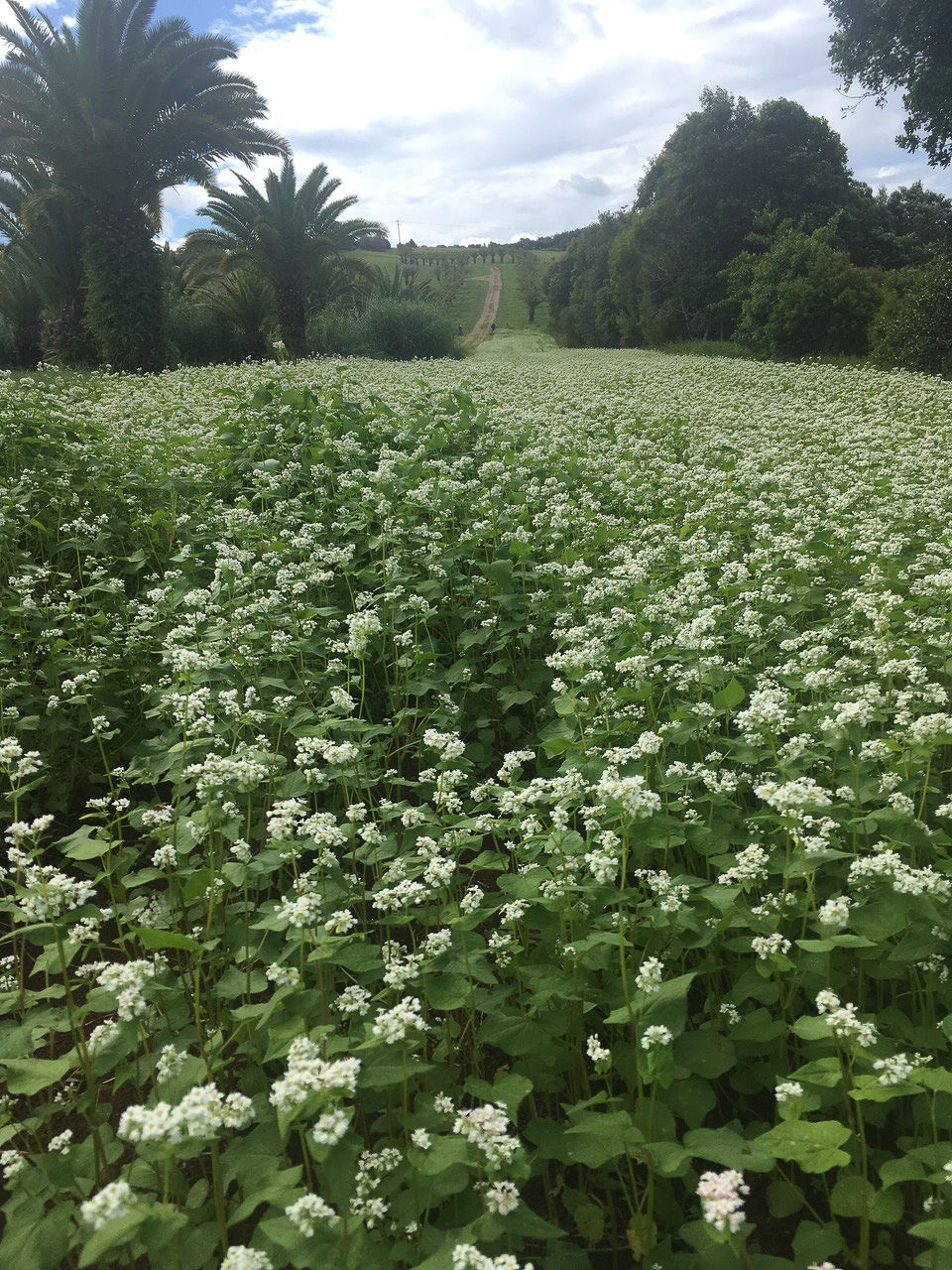
Buckwheat Winter Crop
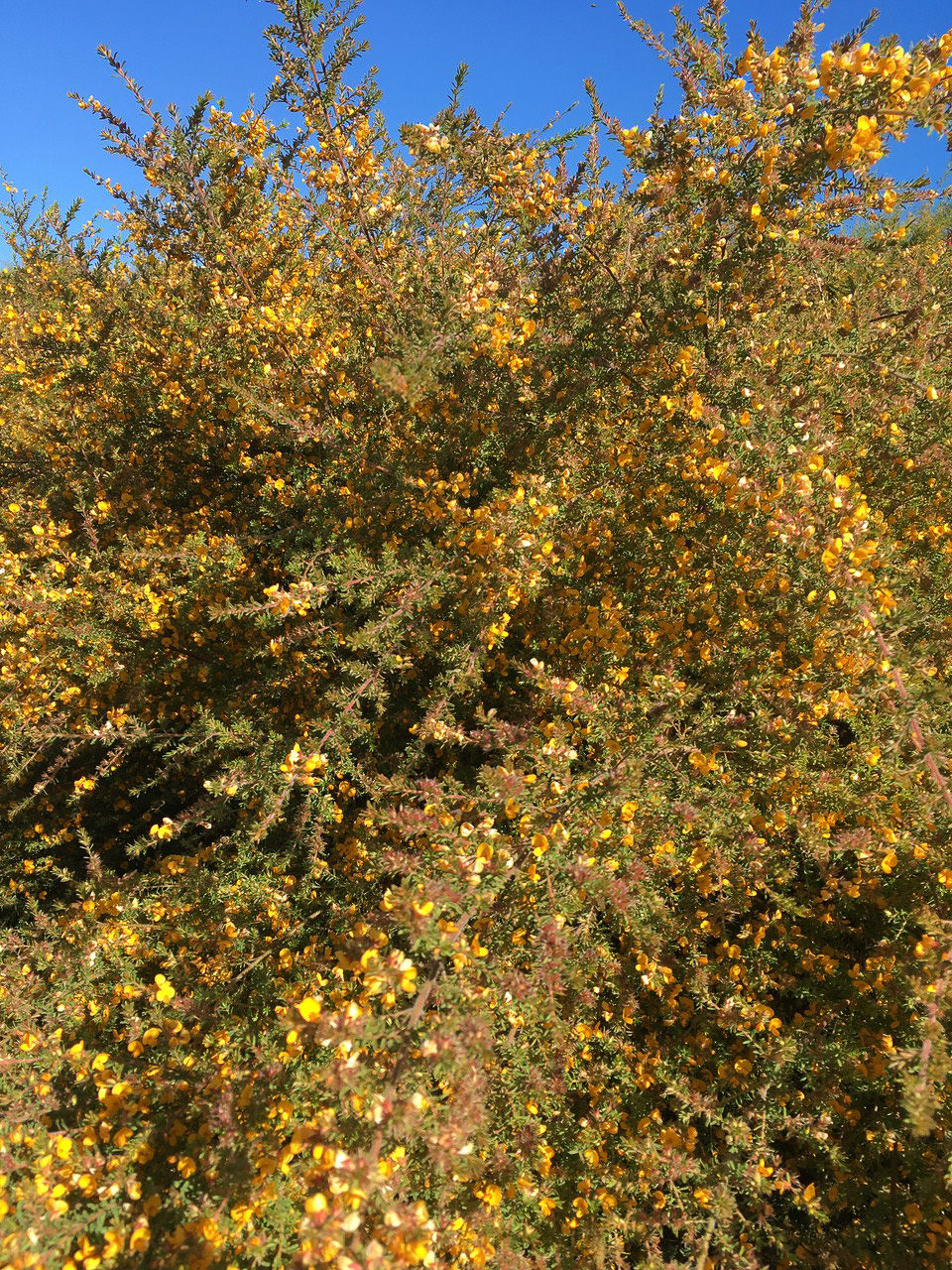
Pultinai Velosa
Three flowering plants in the garden
Anise Hyssop “Lamiaceae” (Agastache foeniculum)
Anise hyssop has lavender-blue flowers and an anise-like aroma, although it belongs to the mint family. Its flowers attract bees and butterflies, and its leaves and flowers are also used in cooking.
Gabrielle grows it as part of a varied flowering garden that provides forage for her bees.
Coolamon (Syzgium moorei)
Coolamon, also called the rose apple or watermelon tree, is a rainforest tree found in eastern Australia. Gabrielle values its flowers as a source of nectar in the garden.
Mexican Heather “Lythraceae” (Cuphea Hyssopifolia)
This small compact shrub with green, tiny foliage and a profusion of pretty, little mauve blooms is in flower most of the year. It is great for a low growing border or rockery as it grows approximately 45cm tall x 45cm wide and is ideal for Gabrielle’s herb garden and apiary.
The cuphea hyssopifolia, or Mexican heather, false heather, Hawaiian heather or elfin herb, is a small evergreen shrub native to Mexico, Guatemala and Honduras. The species is naturalised in Hawaii and regarded as a serious weed there. It has been cultivated and adapted well in the garden. The plant gained the UK’s Royal Horticultural Society's Award of Garden Merit in 2017.
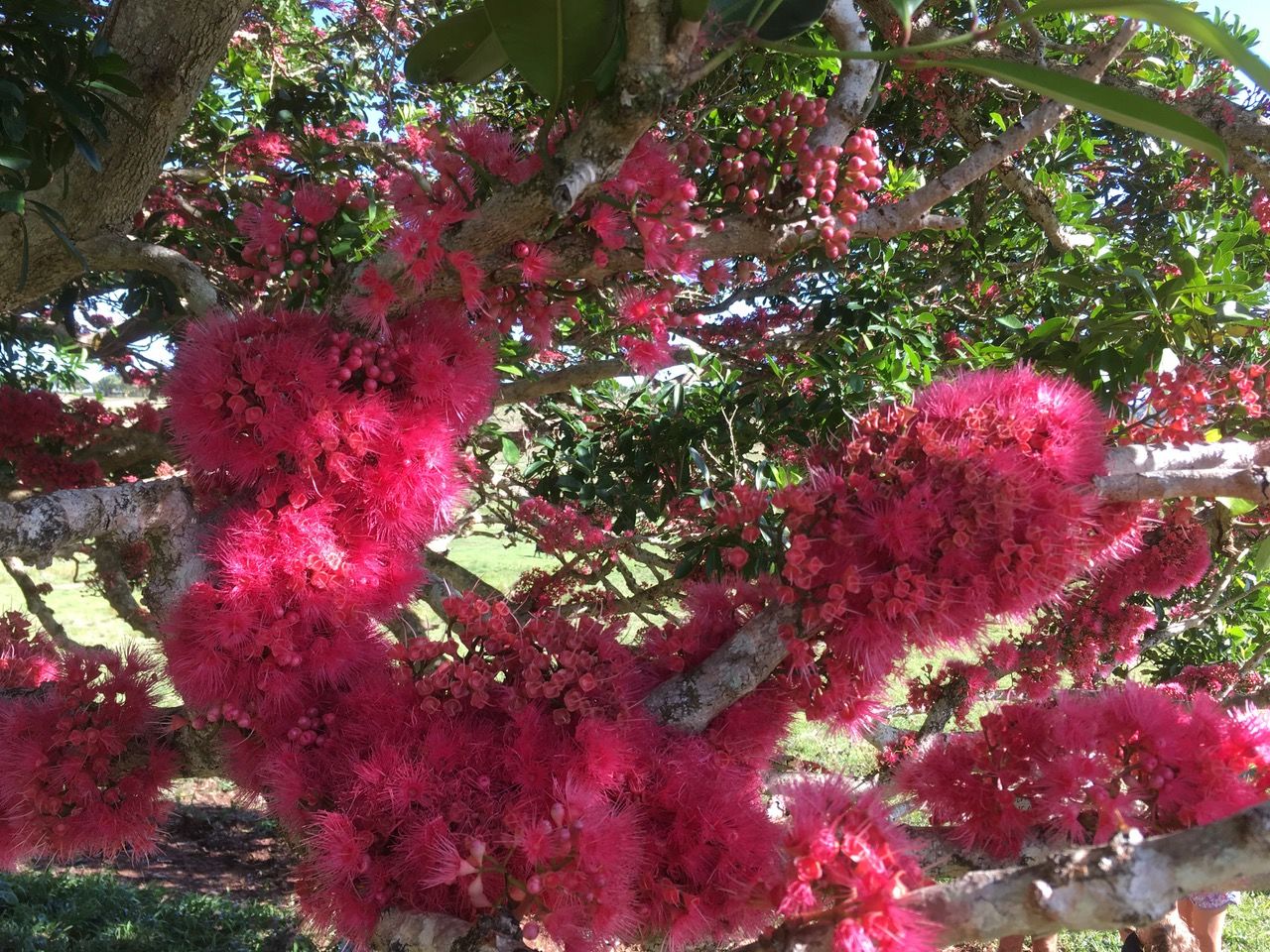
Coolamon plant
Honey blends described during our visit
During the original visit, Gabrielle described these blends. Check the current range for availability.
Connoisseur Blend combined anise hyssop honey with Australian jelly bush honey, bringing a delicate anise note to the flavour.
Flavonoid Addiction was described as a combination of Mexican heather, date palm pollen and anise hyssop. These ingredients describe the blend, not a proven medical effect.
Thanks to Gabrielle for sharing her insights, she is such an inspiration. You can grow your own medicinal herbs in your garden or balcony too. Speak to your local garden centre rep and find out what grows well in your environment. This way you get to see colour and greenery and you are rewarded with the health benefits the plants offer and they will attract pollinating bees, butterflies and certain birds which is a sign of a healthy garden. That’s got to be good for your well-being too.
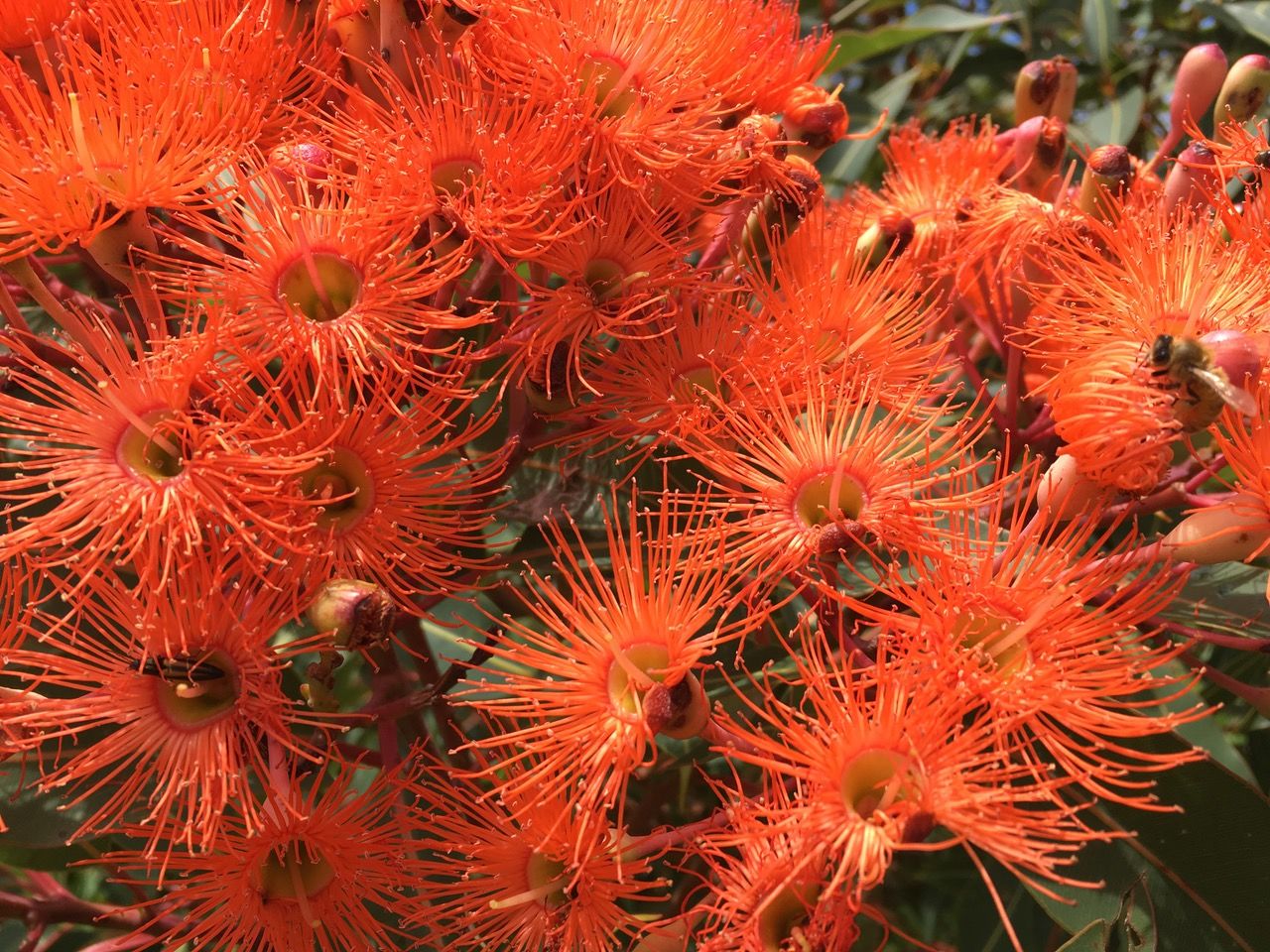
Orange Ficafolia a plant that bees love
Other related articles you might find interesting


