


Archive: this is an account of a past visit. Figures, product availability and future plans describe the time of the original interview.
Bees collect pollen from flowering plants and bring it back to the hive as food. During a visit to Gabrielle Morley’s plantation near Byron Bay, New South Wales, we explored the role of palm trees and their pollen in her beekeeping.
A True Date Palm
Date palm ( Phoenix dactylifera) is one of the oldest fruit crops going back at least 5000 years grown originally in desert environments like the Arabian Peninsula, North Africa, and the Middle East. This is the true date palm producing the dates for eating. Without dates, humans wouldn’t have survived the arid conditions of the desert which shows the trees resilience in harsh conditions. From early on, the cultivation of dates came to represent virility and fertility.
Canary Island Date Palms
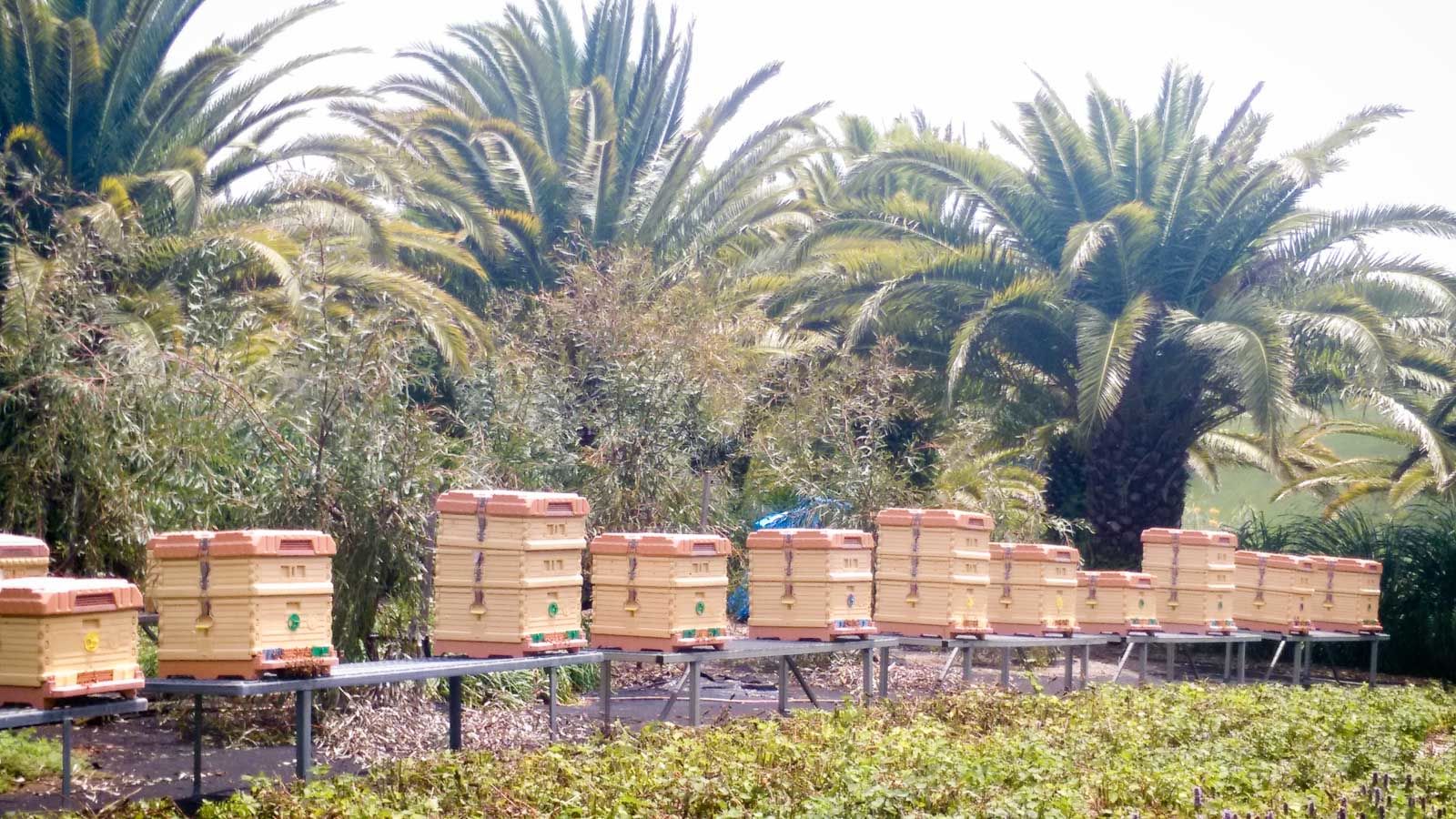
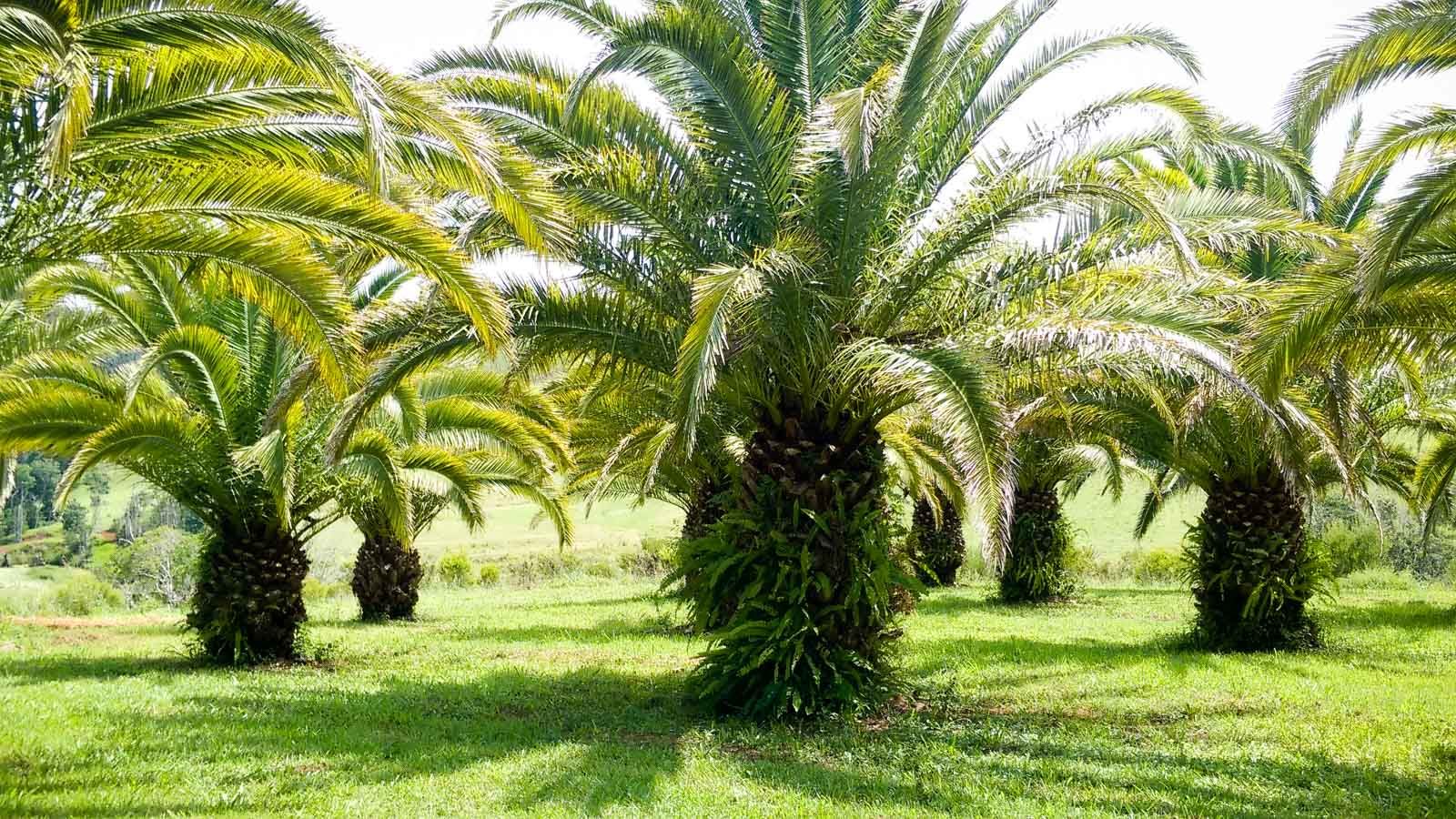
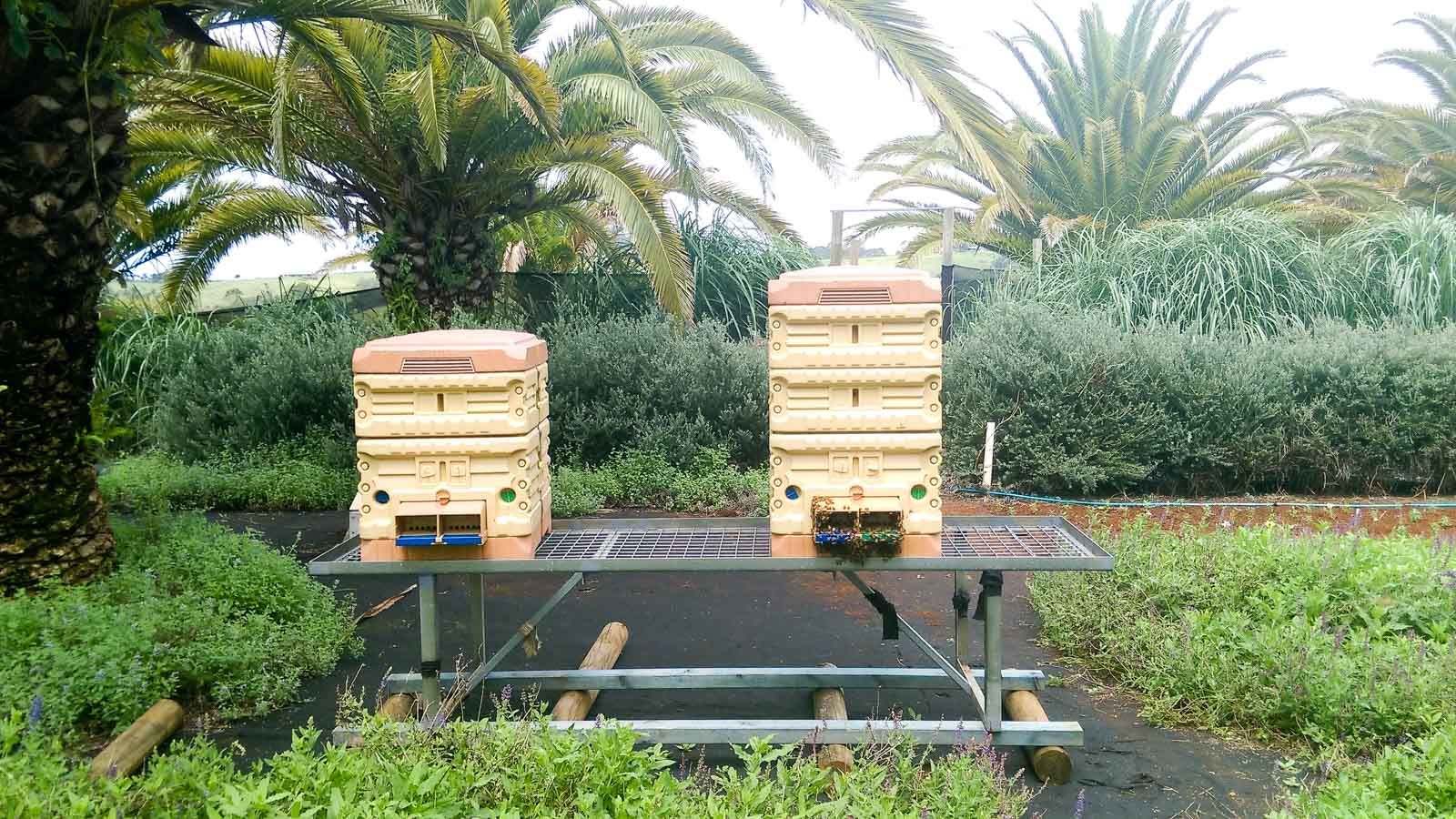
Gabrielle grows over a 1000 Canary Island date palms Phoenix canariensis for commercial sale, used mainly in landscaping. She also has a small apiary with an abundance of medicinal plants for her bees to forage on along with the date palms. It’s the perfect environment to produce beautiful raw honey . The trees originate from the Canary Islands and are well suited to the Australian subtropical and temperate climates. The dates are not so great tasting but the trees are beautiful and decorative and a great source of shade. You will often see Canary Island date palms lining roads or in parks and gardens.
An interest in palm pollen
Growing palms led Gabrielle to explore beekeeping. Her interest developed into an apiary with varied flowers and careful attention to the bees.
Traditional uses and personal stories are not proof that palm pollen improves fertility or treats cancer. Pollen products can cause allergic reactions. This visit is a beekeeping story, not a recommendation for medical treatment.
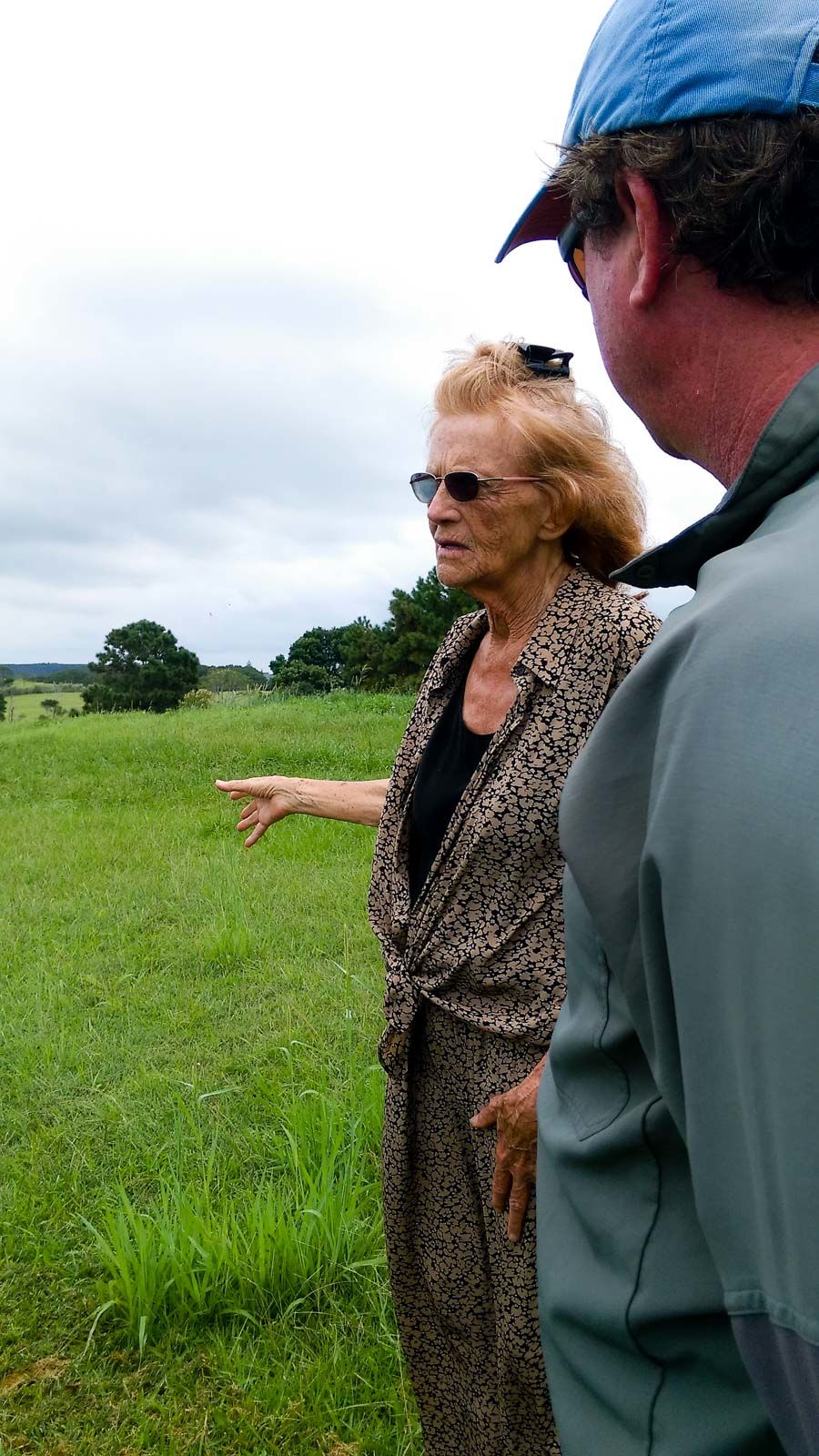
- Gabrielle


Cross Pollination
The male palms provide pollen that attracts bees. Gabrielle’s plantation offers a way to observe how different flowering plants contribute to the apiary.
Meeting growers and beekeepers helps us understand the people behind honey. Gabrielle’s care for her land and her bees made this visit memorable.


